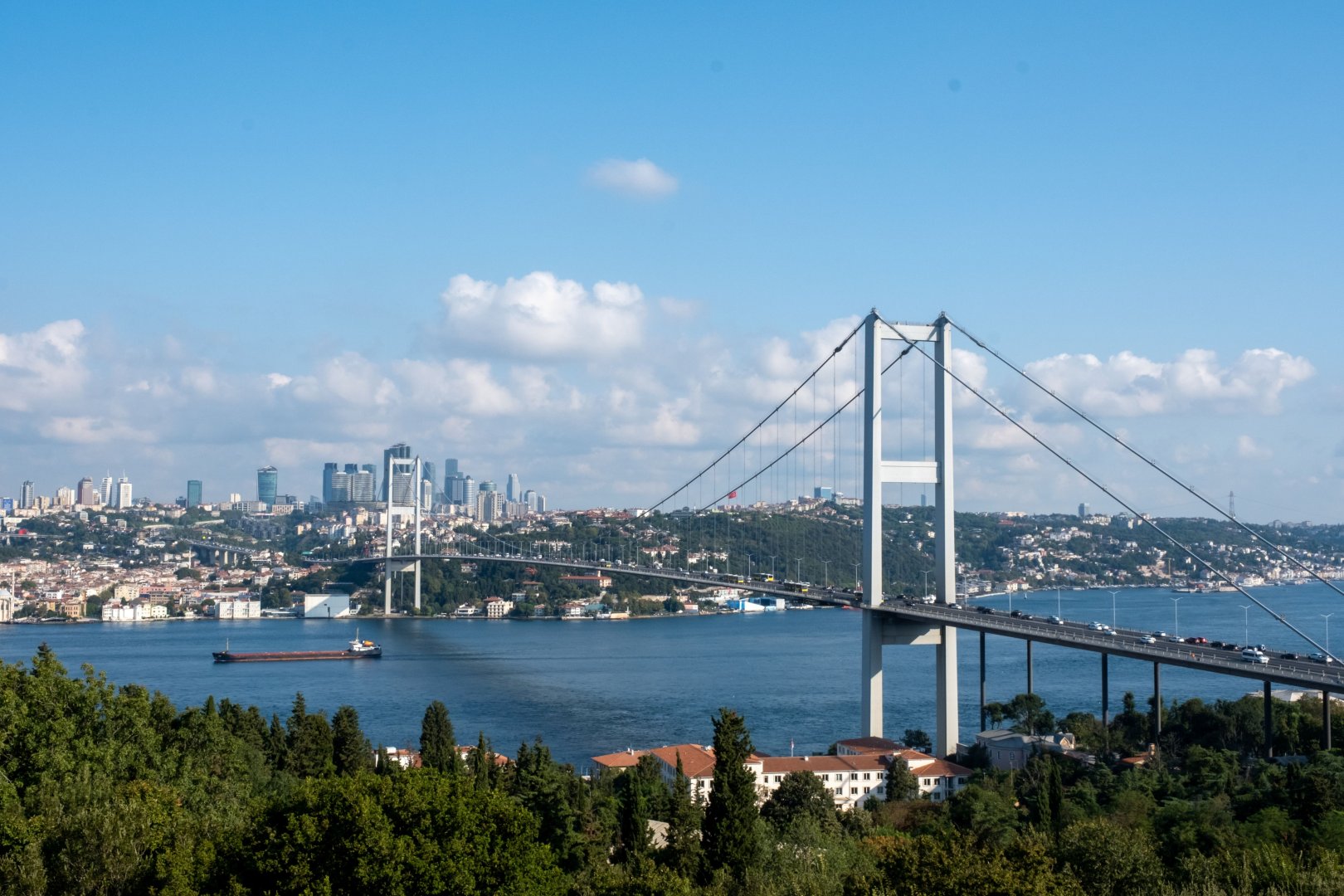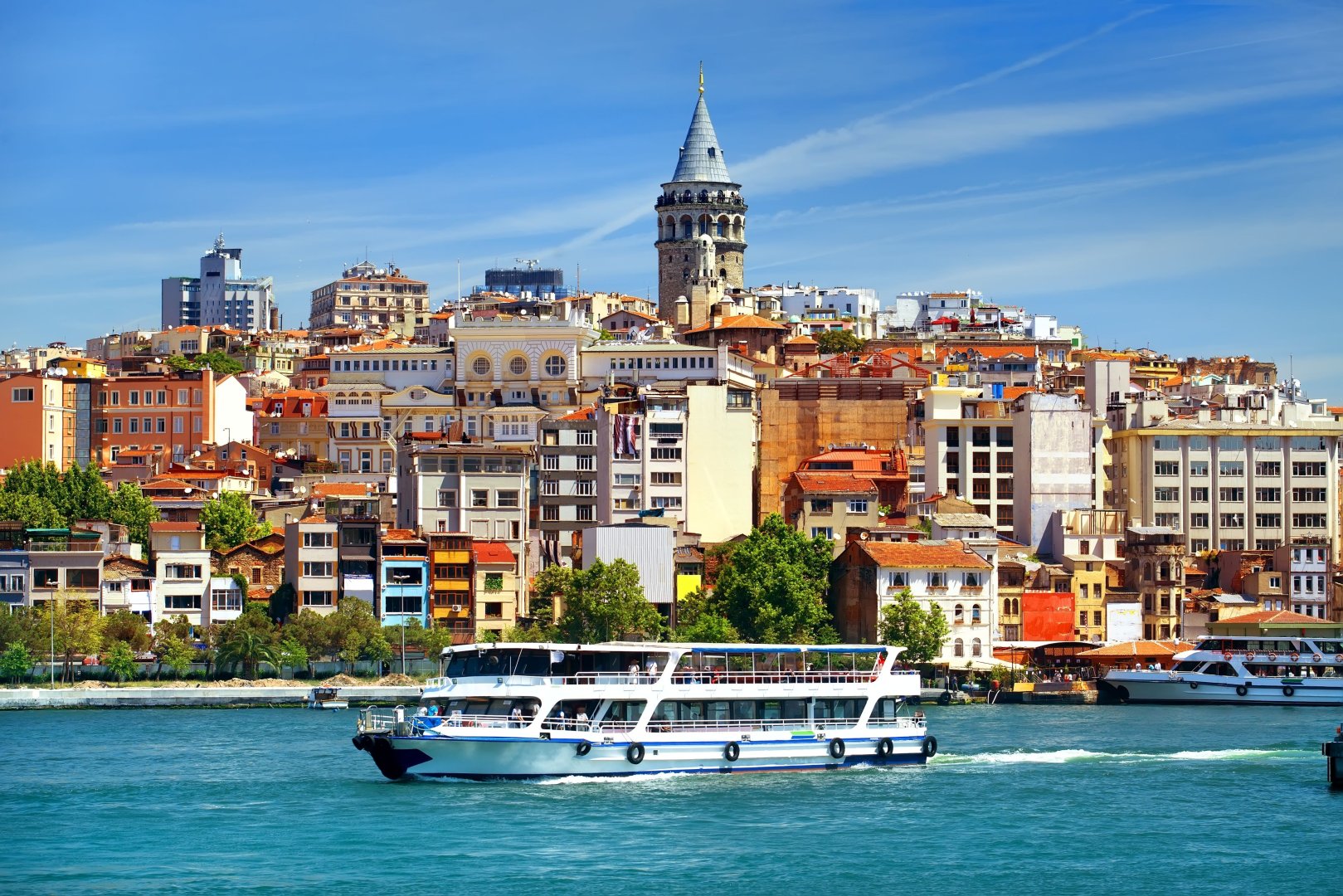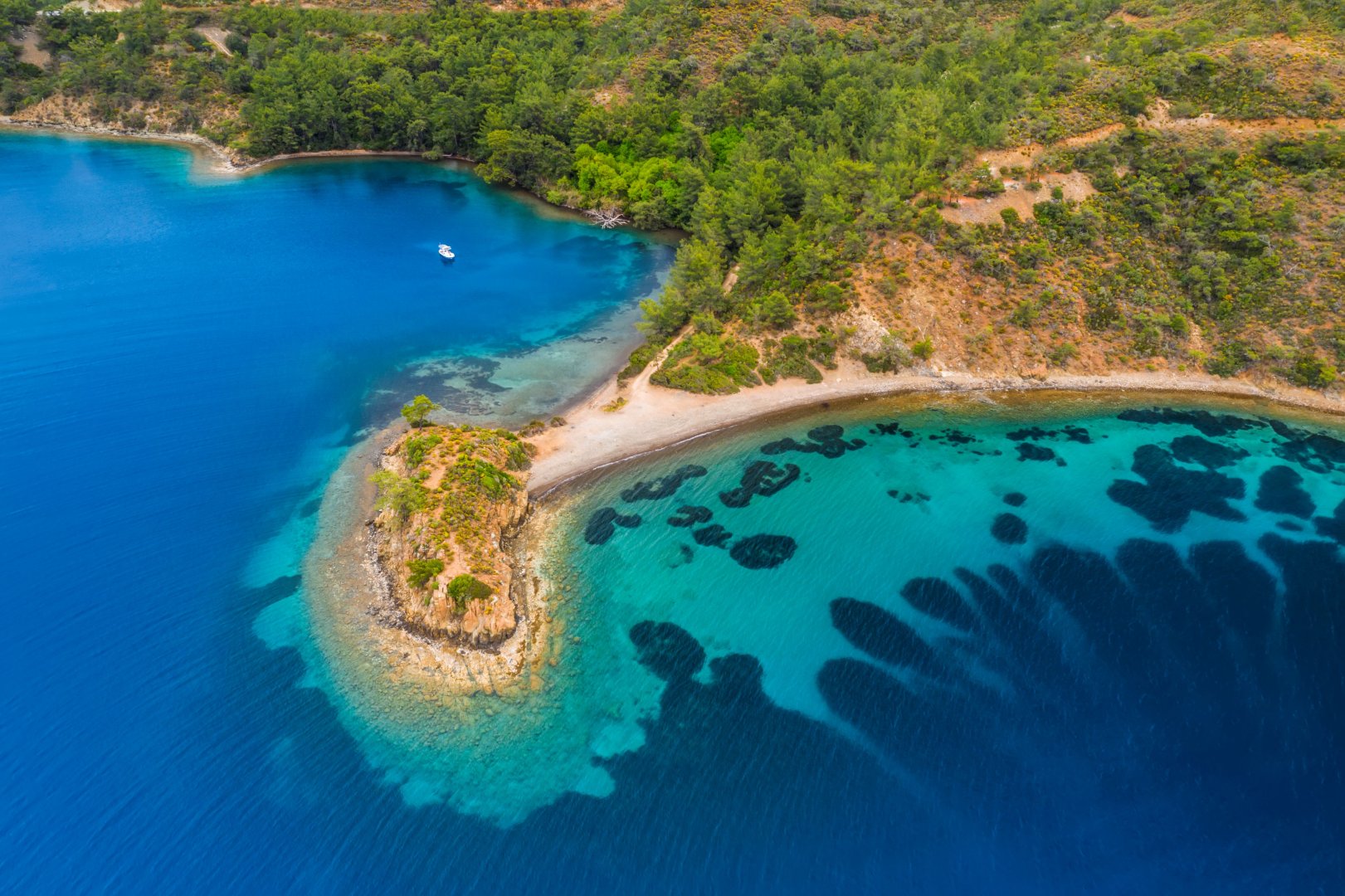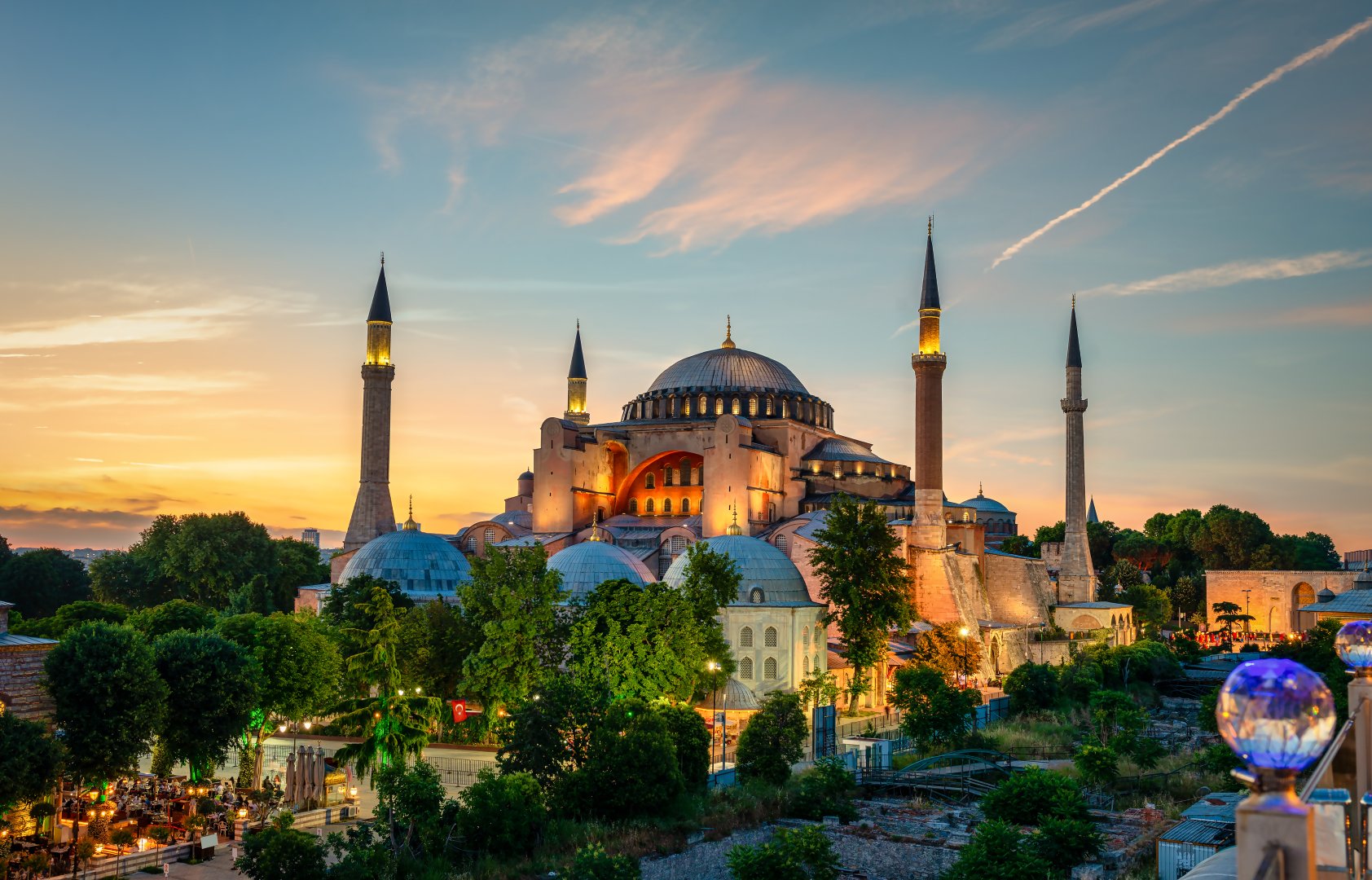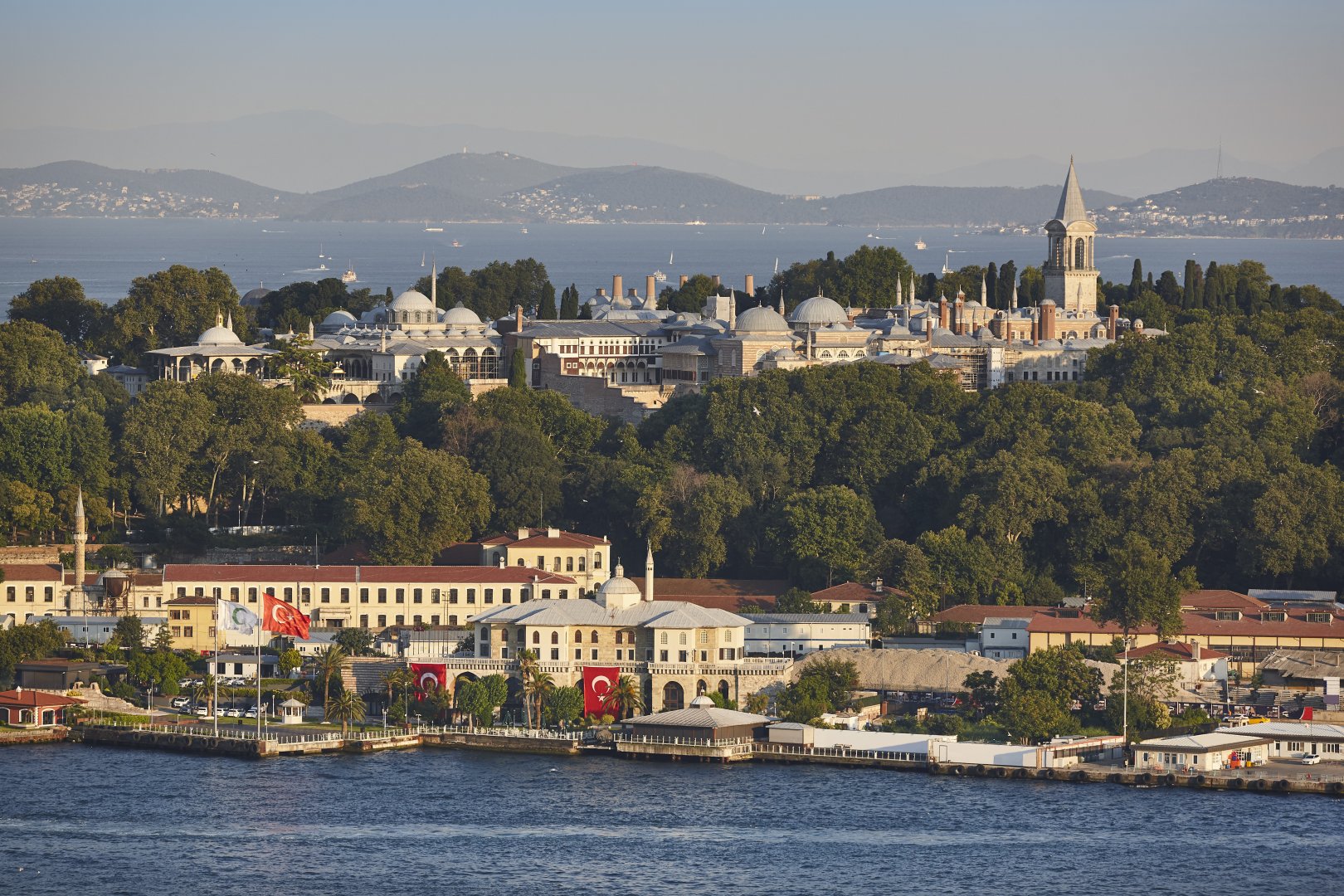
Turkey is a country that connects Asia and Europe, boasting thousands of years of history and culture. Ancient civilizations of Anatolia, as well as Roman, Byzantine, and Ottoman heritage, still shape its landscapes today. The magnificent palaces and mosques of Istanbul, along with ancient cities like Ephesus and Pergamon, showcase its rich history. With colorful bazaars, traditional crafts, and diverse cuisine, Turkey offers visitors both historical depth and a vibrant cultural experience. Every corner tells a unique story and invites discovery.
Ankara: Anatolian Civilizations Museum: Turkey’s Historical Treasure
Located in Turkey’s capital, Ankara, the Anatolian Civilizations Museum is a unique institution showcasing the rich history and cultural heritage of the civilizations that flourished on Anatolian lands. Founded in 1921, the museum is considered one of Turkey’s most comprehensive archaeology museums, with collections spanning from the Paleolithic Age to the Ottoman period.
From a tourist perspective, the museum offers visitors from both Turkey and abroad an impressive journey through history. Sculptures, reliefs, jewelry, and everyday items from civilizations such as the Hittites, Urartians, Phrygians, Lydians, and Romans reveal the richness of Anatolia’s past. Historically, the museum also played a role in the early cultural policies of the Republic of Turkey, contributing to the strengthening of national consciousness.
In terms of religion, the artifacts on display reflect the beliefs and ritual practices of ancient Anatolian societies; temples and religious objects convey the spiritual understanding of the period to visitors. Culturally, the museum presents thousands of years of Anatolia’s artistic and social development; traditional handicrafts, ceramics, and sculpture collections provide visitors with a rich cultural exploration experience. Today, the museum is open for both educational purposes and tourist visits, making it a must-see destination for anyone interested in history, culture, and archaeology.
Cappadocia: A Captivating Blend of Nature and History
Located in central Turkey around Nevşehir, Cappadocia is one of the world’s most remarkable tourist regions, renowned for its unique natural formations, underground cities, and rich history. Shaped over centuries by wind and water, the region’s fairy chimneys, valleys, and cave structures create an open-air natural museum like no other.
Tourists can enjoy hot air balloon rides, hiking and jeep safaris, cave hotels, and local handicraft workshops, making for an unforgettable experience. Historically, Cappadocia hosted civilizations such as the Hittites, Phrygians, Romans, and Byzantines, with underground cities and rock-cut dwellings reflecting their defensive and daily life practices.
Religiously, it was an important center for early Christianity, with the Göreme Open-Air Museum and rock churches offering insights into monastic and worship life. Culturally, Cappadocia preserves traditional lifestyles, crafts, and local cuisine, providing visitors with a rich blend of natural beauty, history, and culture—making it one of Turkey’s must-visit destinations.
Göreme Open-Air Museum: Cappadocia’s Heritage of History and Faith
Located in the town of Göreme in Nevşehir, the Göreme Open-Air Museum is one of Cappadocia’s most impressive and historically rich sites. Listed as a UNESCO World Heritage Site, the area is filled with rock-cut churches, monasteries, and chapels carved by Christian communities thousands of years ago. The structures feature Byzantine-era frescoes and religious iconography, offering visitors insight into the beliefs and artistic traditions of early Christianity.
For tourists, the Göreme Open-Air Museum provides a captivating experience with its fairy chimneys and cave churches; walking trails and photo points allow visitors to explore the region’s unique landscapes. Historically, the site was used between the 9th and 13th centuries by Christian monks for worship, education, and daily life, with the rock-cut structures serving both defensive and practical purposes. Religiously, the frescoes depicting Jesus, the Virgin Mary, and various saints reflect the deep roots of Christianity in Anatolia.
Culturally, the museum illustrates how Anatolia has been shaped over centuries by different civilizations and beliefs. Its craftsmanship, fresco art, and architectural features provide a rich cultural experience. Today, with its combination of religious, historical, and natural significance, the Göreme Open-Air Museum remains a key destination in Cappadocia, attracting visitors from both Turkey and around the world.
Cappadocia Balloon Tour: A Sky-High Experience of History and Nature
Cappadocia is not only famous for its underground cities and fairy chimneys but also for its iconic hot air balloon tours. Conducted at sunrise, these flights offer visitors breathtaking aerial views of the region; volcanic tuff formations, valleys, fairy chimneys, and ancient settlements can all be admired from above. From a tourist perspective, the balloon tour is one of Cappadocia’s most popular and unforgettable activities, providing ideal opportunities for photography and video.
Historically, during the flight, passengers can observe underground cities, the Göreme Open-Air Museum, and valleys dotted with ancient monasteries, offering a sense of the region’s millennia-long settlement history. Religiously, the tour allows a bird’s-eye view of rock-cut churches and monastic sites from the Christian era, giving visitors a unique perspective on Cappadocia’s spiritual heritage. Culturally, the balloon tour provides insights into local life, agricultural practices, and traditional settlements, offering a rare understanding of the region’s living heritage.
Cappadocia hot air balloon tours are perfect for tourists seeking both adventure and tranquility; the combination of natural beauty, historical landmarks, and cultural insight makes this experience an unforgettable highlight. It allows visitors to witness the region’s history, nature, and culture all in a single, extraordinary journey.
Konya Mevlana Museum: The Heart of Sufism and Literature
Located in Turkey’s Central Anatolia region, the Mevlana Museum in Konya commemorates the 13th-century philosopher and Sufi mystic, Jalaluddin Rumi. The complex—including Rumi’s mausoleum, the semahane (whirling dervish hall), and museum sections—reflects both the Mevlevi Order’s heritage and Ottoman architectural and artistic traditions.
For tourists, the museum offers a unique and inspiring experience, with Rumi’s teachings, whirling ceremonies, and spiritual atmosphere captivating visitors. Historically, it was established as a mausoleum in 1274 after Rumi’s passing and later expanded into the museum complex seen today. Religiously, it showcases the life, teachings, and Mevlevi rituals of one of Islam’s most important Sufi figures.
Culturally, the museum provides a rich tapestry of literature, music, art, and philosophy; whirling ceremonies, manuscripts, traditional attire, and sacred objects give visitors an immersive cultural journey. Today, the Mevlana Museum welcomes guests for both spiritual reflection and touristic exploration, highlighting the cultural richness of Konya and Turkey.
Pamukkale Travertines and Hierapolis: A Captivating Meeting of Nature and History
Located in Denizli province in Turkey’s Aegean region, Pamukkale is one of the world’s most striking natural wonders, famous for its dazzling white travertine terraces and thermal waters. The name “Pamukkale” means “Cotton Castle” in Turkish, inspired by the terraces’ brilliant white appearance. Adjacent to Pamukkale lies the ancient city of Hierapolis, a historic settlement from the Roman and Byzantine periods, featuring an ancient theater, necropolis, and sacred temples.
For tourists, Pamukkale offers a unique experience with its thermal waters and otherworldly travertine terraces, attracting visitors year-round. Guests can walk through the warm waters while enjoying both natural beauty and historic ambiance. Historically, Hierapolis was founded in the 2nd century BCE by the Pergamon Kingdom and became a significant Roman center for health and religion. Religiously, the city’s temples, necropolis, and early Christian church ruins reveal the spiritual life of its past inhabitants.
Culturally, the region reflects thousands of years of Anatolian lifestyle, health traditions, and architectural heritage. Visitors can experience a blend of nature, history, and aesthetics through the travertines and ancient structures of Hierapolis. Pamukkale and Hierapolis are must-visit destinations for tourists seeking to explore Turkey’s natural and historical treasures.
Selcuk Città Antica di Efeso: La Perla Brillante del Mondo Antico
Situata nella regione dell’Egeo, vicino a Selçuk nella provincia di Izmir, Efeso è una delle più importanti città dell’antichità. Abitata fin dal X secolo a.C., durante il periodo romano divenne un centro di commercio, cultura ed educazione dell’Anatolia, ospitando anche il Tempio di Artemide, una delle sette meraviglie del mondo antico.
Dal punto di vista turistico, Efeso offre un emozionante viaggio nella storia con i suoi teatri antichi, la Biblioteca di Celso, il Tempio di Adriano e le ampie piazze del foro. Storicamente, la città mostra la pianificazione urbana, l’architettura e la vita quotidiana dei periodi ellenistico e romano. Dal punto di vista religioso, Efeso fu un centro importante sia per i templi pagani che per il cristianesimo primitivo, dove san Paolo predicò; luoghi sacri come la Casa della Vergine Maria hanno un significato speciale per i visitatori cristiani.
Culturalmente, Efeso è un museo a cielo aperto che riflette la vita sociale, l’arte e il commercio dell’antichità; strade, fontane, agorà e mosaici trasmettono l’estetica e la quotidianità dell’epoca. Oggi Efeso è una delle principali destinazioni turistiche della Turchia, imperdibile per appassionati di storia, archeologia e cultura.
Selcuk Ephesus Ancient City: The Shining Jewel of the Ancient World
Located near Selçuk in İzmir province in Turkey’s Aegean region, the ancient city of Ephesus stands out as one of the most significant settlements of antiquity. Inhabited from the 10th century BCE, Ephesus became a major center of trade, culture, and education during the Roman period, and it was home to the Temple of Artemis, one of the Seven Wonders of the Ancient World.
For tourists, Ephesus offers an impressive journey through history with its ancient theaters, Celsus Library, Temple of Hadrian, and expansive forum areas. Historically, the city showcases Hellenistic and Roman urban planning, architecture, and daily life culture. Religiously, Ephesus was an important center for pagan worship in ancient times and later for early Christianity, where Paul is said to have preached; sacred sites like the House of the Virgin Mary hold special significance for Christian visitors.
Culturally, Ephesus serves as an open-air museum reflecting the social life, art, and commerce of the ancient world. Streets, fountains, agoras, and mosaics reveal the aesthetics and daily life of the period. Today, Ephesus is one of Turkey’s most important tourist destinations, attracting history enthusiasts, archaeologists, and culture travelers alike.
Selcuk House of the Virgin Mary in Selçuk: Where Faith and History Meet
Located in the district of Selçuk in İzmir, Turkey, the House of the Virgin Mary holds special significance in both Christian and Islamic history as a sacred pilgrimage site. According to Christian tradition, it is believed that Mary, the mother of Jesus, spent her final years here, making the house spiritually meaningful for both Christians and Muslims. Restored in the 19th century and open to visitors today, the building draws attention with its stone architecture and surrounding natural beauty.
From a tourist perspective, the House of the Virgin Mary attracts visitors year-round with its historic charm and sacred atmosphere. Historically, the structure is built atop remnants from the Roman period and was used as a place of worship and seclusion. Religiously, the site is an important Christian pilgrimage destination, offering visitors a spiritual connection to Mary’s life, while also serving as a sacred site for Muslim visitors.
Culturally, the House of the Virgin Mary highlights the historical and religious diversity of Selçuk and the greater Ephesus region. Visitors can explore ancient Anatolian architecture and observe the cultural influence of religious rituals firsthand. The house is not just a tourist attraction but also an important center reflecting Turkey’s interfaith historical and cultural heritage.
Izmir Bergama Acropolis: History and Culture at the Summit of the Ancient World
Located in the Bergama district of İzmir, the Bergama Acropolis is one of Anatolia’s most important ancient cities, with roots dating back to the Hellenistic and Roman periods. Perched atop a high hill, this area served as the center of ancient city life, featuring defensive walls, theaters, temples, and public buildings. Bergama was also home to the world-renowned Kingdom of Pergamon, making it a leading cultural and scientific center of the Hellenistic era.
From a tourist perspective, the Bergama Acropolis offers unforgettable experiences with its impressive views, extensive excavation areas, and ancient structures. Historically, the ruins showcase Hellenistic and Roman city planning, architectural styles, and artistic achievements. Religiously, the Zeus and Athena temples, along with other sacred sites, reveal the beliefs and rituals of ancient Anatolian societies, offering visitors insight into the spiritual life of the era.
Culturally, the Acropolis reflects Bergama’s heritage as a center of ancient medicine, philosophy, and education; the agora, theaters, and temples provide perspectives on both social life and artistic expression. Today, the Bergama Acropolis stands as one of Turkey’s most impressive and valuable tourist destinations, attracting history enthusiasts, archaeology lovers, and cultural travelers alike.
Çanakkale Troy Archaeological Site: Following Legends and History
Located in Çanakkale, the Troy Archaeological Site is both one of the most important settlements of the ancient world and the setting of Homer’s epic, The Iliad. Troy has been inhabited since the 3rd millennium BCE and bears traces of civilizations ranging from the Hittites to the Romans. Excavations in the area have revealed city walls, temples, palace remains, and ancient tombs.
From a tourist perspective, the site offers a vivid historical journey, especially with the replica of the “Trojan Horse” and the extensive excavation areas. Historically, the city walls, ancient houses, and sacred spaces highlight Troy’s strategic and cultural significance over thousands of years. Religiously, the ruins of temples and altars reflect the beliefs and rituals of ancient societies, giving visitors insight into the spiritual life of past civilizations.
Culturally, Troy demonstrates the connections between ancient Anatolian civilizations, literature, and legend. Its settlement remains, artifacts, and archaeological findings provide visitors with both a cultural and scholarly discovery experience. Today, the Troy Archaeological Site stands as one of Turkey’s premier destinations for history enthusiasts, culture seekers, and mythology and literature lovers alike.
Bursa: The First Capital of the Ottoman Empire and a Cultural Treasure
Located in Turkey’s Marmara Region, Bursa holds great historical and cultural significance as the first capital of the Ottoman Empire. The city showcases some of the finest examples of Ottoman architecture, including historic bazaars, mosques, and tombs; notable landmarks such as the Green Tomb, Ulu Mosque, and Emir Sultan Mosque reflect Bursa’s religious and historical heritage. From a tourist perspective, Bursa attracts visitors year-round with Uludağ’s skiing and nature tourism opportunities, thermal springs, and historic marketplaces.
Historically, the city bears traces of the Ottoman founding era and early imperial period; palaces, inns, and baths offer a glimpse into life during those times. Religiously, Bursa is an important center of Islamic culture, providing spaces for both worship and spiritual experiences through its historic mosques and tombs. Culturally, the city is rich in heritage with silk and textile production, local cuisine, and traditional handicrafts. Bursa is one of Turkey’s top destinations for travelers seeking a combination of history, culture, nature, and gastronomy.
Şanlıurfa Göbeklitepe: The World’s First Temple
Located near Şanlıurfa, Göbeklitepe is an archaeological site dating back 12,000 years and is considered the oldest known temple complex in the world. Here, humanity’s earliest religious structures were built, featuring massive T-shaped stone pillars and intricate carvings that reveal the spiritual and ritual life of early communities. Göbeklitepe marks a pivotal point in human history, offering insights into belief systems, art, and social organization from the Neolithic era to the present.
From a tourist perspective, Göbeklitepe is a unique destination for history and archaeology enthusiasts; visitors can explore the excavation site and stone structures with guides, witnessing firsthand the traces of civilizations from millennia ago. Historically, as the world’s oldest temple complex, the site provides unparalleled insight into pre-agricultural social and cultural life. Religiously, Göbeklitepe showcases some of the earliest forms of worship and ritual, illuminating humanity’s spiritual beginnings.
Culturally, the site reflects the art, symbolism, and ritual practices of Anatolia’s first societies; animal and symbolic carvings on the stone pillars convey the social and cultural life of the period. Today, Göbeklitepe stands as one of the world’s most significant discoveries, serving as a center of history, culture, and religious heritage for both scholars and tourists.
Mardin and Midyat: History Carved in Stone of Mesopotamia
Located in Southeastern Anatolia, Mardin and Midyat captivate visitors with their stone architecture, historic buildings, and cultural diversity. Mardin’s stone houses, narrow streets, and landmarks like the Great Mosque and Zinciriye Madrasa reflect its rich historical heritage, while Midyat is renowned for its intricate stonework, traditional crafts, and ancient churches.
Tourists can enjoy walking through stone-paved streets, panoramic city views, and local cuisine. Historically, the region bears traces of Syriac, Arab, and Ottoman influences, with mosques, churches, and madrasas revealing past religious and social life. Religiously, Mardin and Midyat showcase the coexistence of Islam and Christianity through Syriac Catholic and Orthodox churches, mosques, and monasteries.
Culturally, the region highlights traditional handicrafts, copper and filigree work, local cuisine, and folklore, offering a vibrant glimpse into Anatolia’s heritage. Mardin and Midyat are among Turkey’s most authentic and enchanting destinations for travelers seeking history, culture, religion, and natural beauty in one place.
Gaziantep Zeugma Mosaic Museum: The Artistic Treasure of the Roman Era
Located in Gaziantep, the Zeugma Mosaic Museum is one of Turkey’s leading museums, showcasing exceptional examples of Roman mosaic art. The ancient city of Zeugma, founded on the banks of the Euphrates River, was a major commercial and cultural center during the Roman and Byzantine periods. The museum offers visitors both an aesthetic and historical experience through mosaics, statues, and ancient artifacts uncovered in excavations.
Touristically, the museum attracts both local and international visitors with highlights such as the famous Gypsy Girl Mosaic and other vibrant mosaics, providing a close-up view of daily life and artistic expression in antiquity. Historically, Zeugma preserves traces of Roman urban planning, villas, temples, and social spaces. Religiously, the mosaics depict gods, goddesses, rituals, and mythological scenes, reflecting Roman and Byzantine belief systems.
Culturally, the museum reveals the rich art and daily life of ancient Anatolia; mosaics crafted from stone, marble, and colorful materials convey the aesthetic and cultural sensibilities of the time. Today, the Zeugma Mosaic Museum stands as one of Turkey’s most important cultural and tourist destinations, ideal for history, art, and culture enthusiasts.
Diyarbakır: The Ancient City Surrounded by Walls
Located in southeastern Turkey, Diyarbakır is an ancient city renowned for its rich history spanning thousands of years. Situated in the heart of Mesopotamia, the city has hosted numerous civilizations over the centuries, leaving a vibrant historical legacy. One of the city’s most iconic landmarks is the Diyarbakır City Walls, a UNESCO World Heritage Site. Construction of these impressive fortifications began in the 5th century, serving as a protective barrier while bearing the traces of successive civilizations. Other historical sites, such as the Ten-Eyed Bridge, the Four-Legged Minaret, and Diyarbakır Castle, immerse visitors in the city’s captivating past.
Diyarbakır is also notable for its religious diversity. The Grand Mosque (Ulu Cami), one of Turkey’s oldest mosques, exemplifies exquisite Islamic architecture. Historical Christian sites, including Virgin Mary Church and St. Giragos Armenian Church, highlight the city’s long-standing tradition of coexistence among different faiths, making it spiritually and culturally significant.
Culturally, Diyarbakır stands out as a mosaic of Kurdish, Turkish, Arab, and Armenian influences. Traditional music, folk dances, and artisanal crafts such as copperwork, carpet weaving, and filigree reflect the city’s unique heritage. The local cuisine adds another layer of attraction, with must-try dishes including Diyarbakır kebab, stuffed ribs (kaburga dolması), met halva, and cheese-based breakfasts (çökelekli kahvaltı).
For nature lovers and tourists alike, Diyarbakır offers a wealth of experiences. Visitors can stroll through the Hevsel Gardens, enjoy panoramic views from the city walls, or explore the Diyarbakır Archaeology and Ethnography Museums. Combining history, culture, faith, and gastronomy, Diyarbakır is one of the rare cities in Turkey that offers an unforgettable experience for every traveler.
Adıyaman Mount Nemrut: Where History, Culture, and Nature Meet
Located in Kahta, Adıyaman, Mount Nemrut is one of Turkey’s most striking historical sites and a UNESCO World Heritage destination. The mountain is famous for its colossal statues and monumental tombs built by the Kingdom of Commagene in the 1st century BC. Giant stone heads of gods and kings crown the summit, offering visitors a rare glimpse into the region’s ancient history, especially during sunrise and sunset, when the site becomes a breathtaking spectacle.
Mount Nemrut holds great historical, religious, and cultural significance. The monuments constructed by King Antiochos Theos honor both himself and the gods, reflecting the beliefs and cultural values of the era. Visitors can witness traces of ancient rituals and the kingdom’s way of life.
The area is also known for its natural beauty and high altitude, providing panoramic views and an immersive experience where history and nature intertwine. Nearby historical sites, such as Kahta Castle and the Cendere Bridge, complement Nemrut’s rich heritage. Combining history, culture, and spirituality, Mount Nemrut is an unmissable destination for travelers interested in archaeology, ancient civilizations, and scenic landscapes.
Van and Akdamar Island: History, Culture, and Nature
Van, located in eastern Turkey, is a city rich in history and culture. Situated on the shores of Lake Van, it offers visitors a unique experience with its natural landscapes and historical heritage. One of the city’s landmarks is Van Castle, dating back to the 9th century BCE, standing as a witness to millennia of history. The city streets are dotted with historic houses and Ottoman-era mosques, showcasing the region’s cultural richness.
Another key attraction is Akdamar Island, located on Lake Van and famous for the Akdamar Church. Built in the 10th century, the church is one of the finest examples of Armenian architecture, with wall reliefs of great historical significance to Christianity. Beyond its religious and cultural value, the island offers stunning lake views, making it a must-visit destination for photographers and nature lovers.
Van’s cultural life is equally rich, reflecting Kurdish, Turkish, and Armenian influences. The local cuisine, featuring the famous Van breakfast, herb cheeses, and fish varieties, is a true culinary treasure. Folk music and traditional handicrafts complete the city’s cultural portrait.
Van and Akdamar Island are rare destinations where history, culture, religious heritage, and natural beauty come together. With its millennia-old history, unique lake scenery, and cultural richness, Van is one of eastern Anatolia’s most special and still-to-be-discovered cities.
Kars and Doğubayazıt: Eastern Anatolia’s Historical and Cultural Gems
Kars, located in northeastern Turkey, is a city renowned for its rich history and cultural heritage. Known as the jewel of Eastern Anatolia, Kars is an ancient settlement bearing traces of various civilizations. Among its most notable historical sites is Kars Castle, built in the 12th century, reflecting the city’s strategic importance throughout history. Kars also offers visitors cultural and historical experiences through landmarks such as the Fethiye Mosque, traditional Kars houses, and the Archaeology Museum. The city’s natural beauty is equally striking; Lake Çıldır, with its frozen winter landscapes and summer outdoor activities, attracts tourists year-round.
Doğubayazıt, a district of Kars, holds great historical and religious significance. It is especially famous for Ishak Pasha Palace, built in the 17th century, a rare example of Ottoman and Seljuk architectural fusion, drawing interest from both history enthusiasts and tourists. Situated at the foothills of Mount Ağrı, Doğubayazıt is also ideal for nature and mountain tourism. The area features the tomb of Prophet Abraham and various historic mosques, highlighting its religious and cultural heritage.
Kars and Doğubayazıt showcase remarkable cultural diversity and historical depth, reflecting Kurdish, Turkish, and Azeri influences. Folk music, traditional handicrafts, and local cuisine introduce visitors to the region’s rich cultural tapestry. Kars is especially famous for its cheese and honey, while Doğubayazıt offers unique regional dishes, providing unforgettable gastronomic experiences.
Culture, History, and Nature Tourism in İzmir and Its Surroundings
Located in the heart of the Aegean, İzmir is one of Turkey’s most attractive tourist cities, known for its history, natural beauty, and modern lifestyle. It is an ideal destination for travelers who want both a seaside vacation and a cultural exploration. İzmir and its surroundings offer the opportunity to experience history, nature, and culture together.
İzmir carries traces of many civilizations from ancient times to the present. Ephesus Ancient City in Selçuk, one of the most important cities of the Roman period, offers a historical treasure with the Temple of Artemis, the ancient theater, and the Library of Celsus. The Agora Ruins in the city center showcase remnants from the Hellenistic and Roman periods, reflecting the city’s historical texture. Pergamon in Bergama, with its ancient theater, Asklepion Health Center, and Acropolis, is a fascinating site for history and culture enthusiasts. Kadifekale in İzmir, situated on a hill overlooking the city, offers both panoramic views and a historical experience.
İzmir and its surroundings also attract visitors with their natural beauty. Çeşme and Alaçatı, with windsurfing, kitesurfing, and Blue Flag beaches, are particularly popular during the summer. Foça and Karaburun, with their natural bays, calm waters, and untouched beaches, are ideal for a peaceful holiday. Şirince, with its traditional village architecture, vineyards, and green nature, provides a cultural village experience. Dikili and the Bergama area, with thermal springs and natural spaces, offer a healthy and nature-filled vacation.
İzmir also stands out with modern tourism facilities and its lively lifestyle. Konak Square and the Kordon Promenade are perfect for walking, cafés, restaurants, and shopping in the city center. Alsancak and Karşıyaka offer nightlife, art events, and restaurants, making them attractive for young travelers. Çeşme and Alaçatı are among the favorite destinations for holidaymakers due to luxury resorts, marinas, and water sports.
The cuisine of İzmir is enriched with fresh Aegean vegetables and seafood. Local delicacies such as olive oil dishes, mezes, boyoz, and kumru make the holiday even more enjoyable. Boutique markets, handmade products, and wines in Şirince and Alaçatı complete the cultural experience.
İzmir and its surroundings are a versatile destination combining history, nature, and modern tourism. While exploring ancient sites, you can enjoy the sea and sun in natural bays and experience shopping and entertainment in the modern city center. İzmir is the shining star of the Aegean, offering both relaxation and discovery to every type of traveler.
Culture, History, and Nature Tourism in Bodrum and Its Districts
Bodrum, the jewel of the Aegean, is one of Turkey’s most popular destinations, renowned for its historical richness, natural beauty, and vibrant tourism life. This region offers not only sun and sea but also ancient ruins, natural bays, and cultural heritage. Bodrum and its surrounding districts provide experiences that appeal to every type of traveler.
Bodrum has hosted many civilizations throughout history. Bodrum Castle, a medieval structure, now serves as a maritime museum and offers panoramic views of the Aegean. The Ancient Theater, dating back to the Hellenistic period, is still used for concerts and events. The Mausoleum of Halicarnassus, one of the Seven Wonders of the Ancient World, showcases the grandeur of antiquity. Nearby Knidos Ancient City stands out for its history of astronomy and maritime trade.
The natural beauty of Bodrum and its districts reflects the unique atmosphere of the Aegean. Bitez, Gümüşlük, and Yalıkavak Beaches offer clear waters and tranquil surroundings, ideal for families and those seeking peace. Türkbükü and Akyarlar are famous for luxury resorts and marinas. The bays of the Bodrum Peninsula provide perfect routes for boat tours and water sports. Natural areas around Dalaman and Turgutreis are popular for trekking and nature walks.
Bodrum is also famous for its lively nightlife and modern tourist facilities. The city center, with its cafés, restaurants, and shopping opportunities, attracts young travelers. Yalıkavak and Gümüşlük offer both luxury vacations and cultural experiences with art galleries.
The markets and streets of Bodrum are ideal for experiencing Aegean culture. Local products, olive oil, handmade jewelry, and Bodrum’s culinary specialties make the holiday unforgettable. Evening dinners at seaside fish restaurants, especially in Gümüşlük, are particularly popular among tourists.
Bodrum and its surroundings are a unique destination combining history, nature, and modern tourism. While exploring ancient sites, you can swim in natural bays and enrich your holiday with nightlife and cultural events. Bodrum is an Aegean paradise offering every visitor both relaxation and discovery.
Culture, History, and Nature Tourism in Antalya and Its Districts
Antalya, the jewel of the Mediterranean, is one of the most popular holiday destinations in Turkey and the world. It stands out not only for its long beaches and luxury resorts but also for its historical sites, natural beauty, and cultural richness. Antalya and its districts offer visitors a unique combination of history, nature, and the sea.
Antalya carries traces of past civilizations in every corner. In the city center, Kaleiçi features impressive examples of Ottoman and Seljuk architecture. Restored stone houses, narrow streets, and the historic harbor attract many tourists. There are also numerous ancient cities in Antalya’s districts: Perge in Aksu offers a fascinating history experience with its Roman theater, stadium, and baths; Aspendos in Serik is a must-see for theater enthusiasts with its world-famous Roman theater; Termessos in Korkuteli, located on the peaks of the Taurus Mountains, is a unique discovery point for both nature and history lovers; and Side in Manavgat combines ancient ruins with beautiful beaches for an exceptional destination.
Antalya is also famous for its natural beauty. Düden and Kurşunlu Waterfalls blend lush greenery with the movement of water. Olympos and Çıralı combine the sea and nature, appealing to history enthusiasts with their ancient ruins. Köprülü Canyon is ideal for rafting and nature walks, while Saklıkent Canyon is very popular in summer for cooling off and enjoying nature.
Antalya city center and districts offer tourists the chance to enjoy sun, sea, and sand. Lara and Konyaaltı Beaches, with modern facilities and long shorelines, are ideal for families and young travelers. Alanya, with its historic castle and Blue Flag beaches, combines culture and holiday experiences. Kaş and Kalkan are famous for diving and boat tours, offering unforgettable memories with their natural bays and clear waters.
For those interested in local culture, Antalya offers handicrafts, markets, and culinary experiences. Visitors are encouraged to explore olive oil, handmade jewelry, and regional delicacies in the city center and district markets.
Antalya and its districts are a unique destination for those seeking a combination of history, nature, and tourism. While relaxing on its beaches, you can travel through ancient cities and enjoy nature walks or water sports. This diversity makes Antalya not just a holiday spot but a true center for cultural and natural experiences.