Istanbul, both from a historical and cultural perspective, is a unique city that invites visitors on a captivating journey where the past blends with the colors of modern life. This metropolis, which connects the Asian and European continents, enchants every traveler with its lavish palaces, magnificent mosques, historic markets, and spectacular views of the Bosphorus. Having hosted many civilizations throughout history, Istanbul offers a story to discover on every corner and a cultural heritage to experience on every street. The city provides extraordinary experiences for both culture enthusiasts and photography lovers.
Hagia Sophia Museum: The Meeting Point of History and Culture
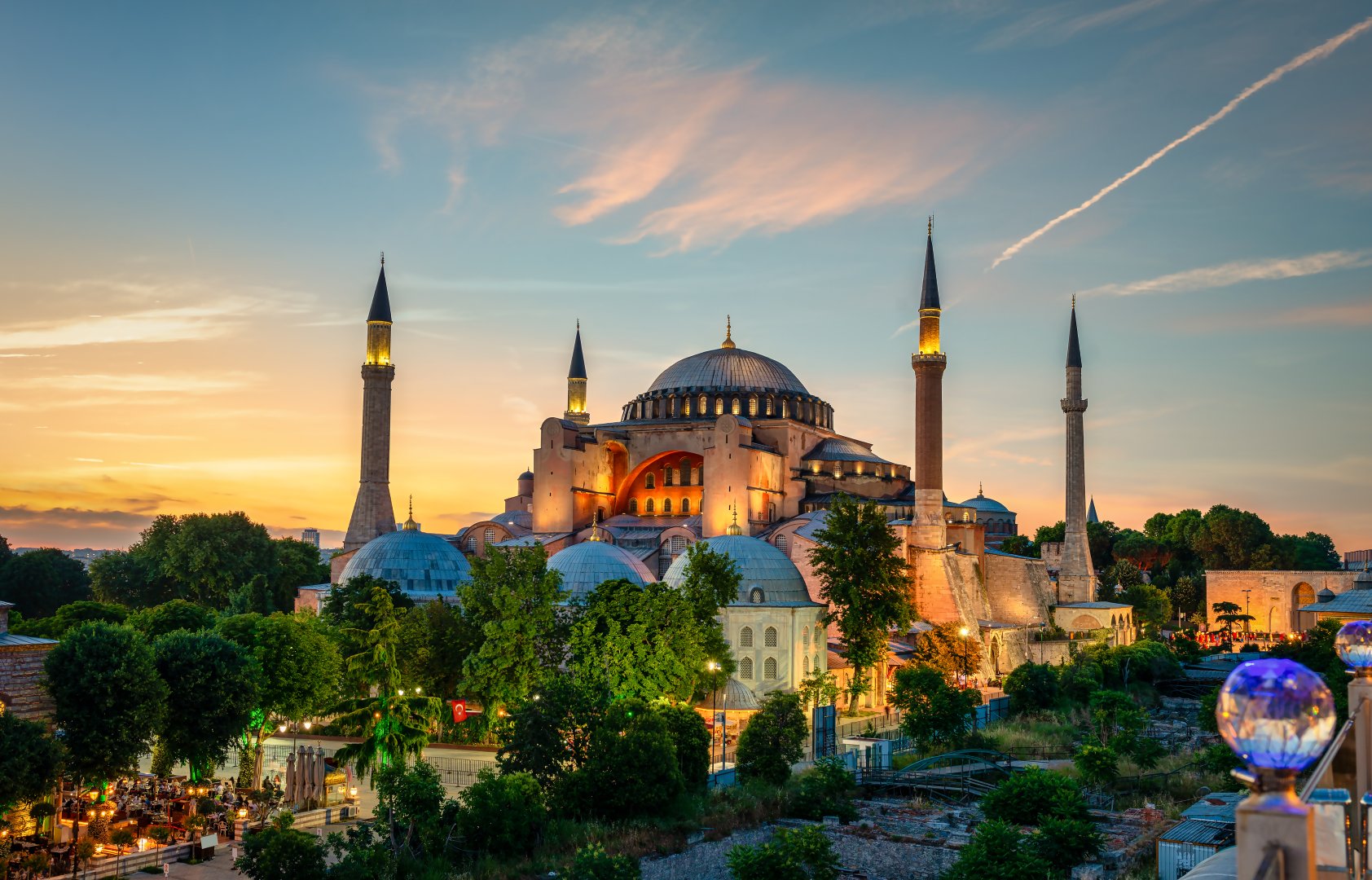
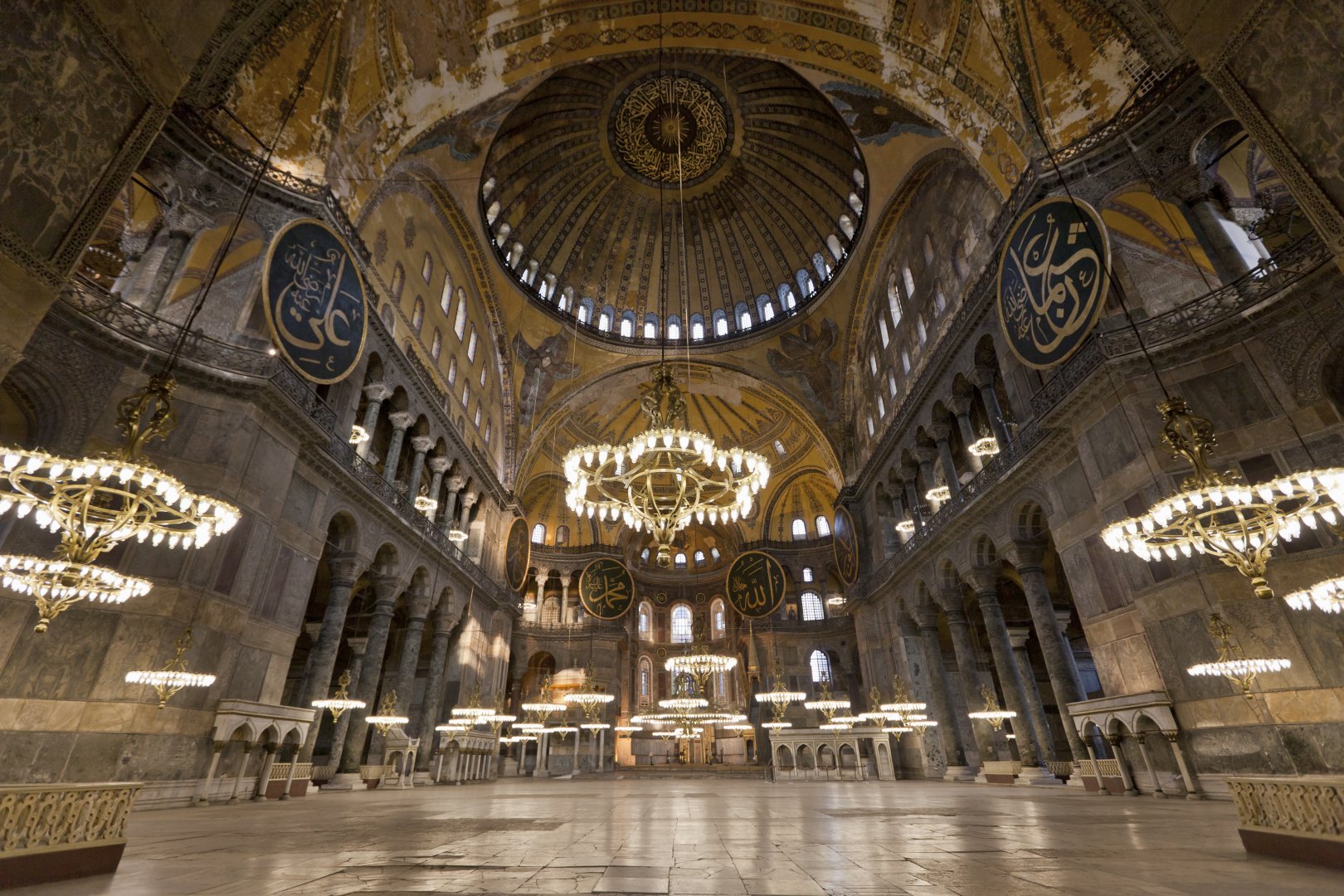
Hagia Sophia, a symbol of Istanbul and one of the world’s most important heritage sites, captivates visitors with both its architecture and its history. Built in 537 by Byzantine Emperor Justinian I as a church, Hagia Sophia served as the center of Orthodox Christianity for nearly 900 years. Following the Ottoman conquest of Istanbul in 1453, it was converted into a mosque, bearing the marks of both Christian and Islamic cultures.
With its world-famous massive dome, mosaics and religious elements such as the mihrab and minbar, Hagia Sophia offers a unique experience in terms of both history and religious art. Since opening as a museum, visitors from diverse cultures have had the opportunity to observe centuries of evolving beliefs and artistic expression under one roof. As a symbol of Istanbul’s rich cultural mosaic, Hagia Sophia stands out as a destination that fascinates both history enthusiasts and photography lovers alike.
Topkapi Palace: The Magnificent Heart of the Ottoman Empire
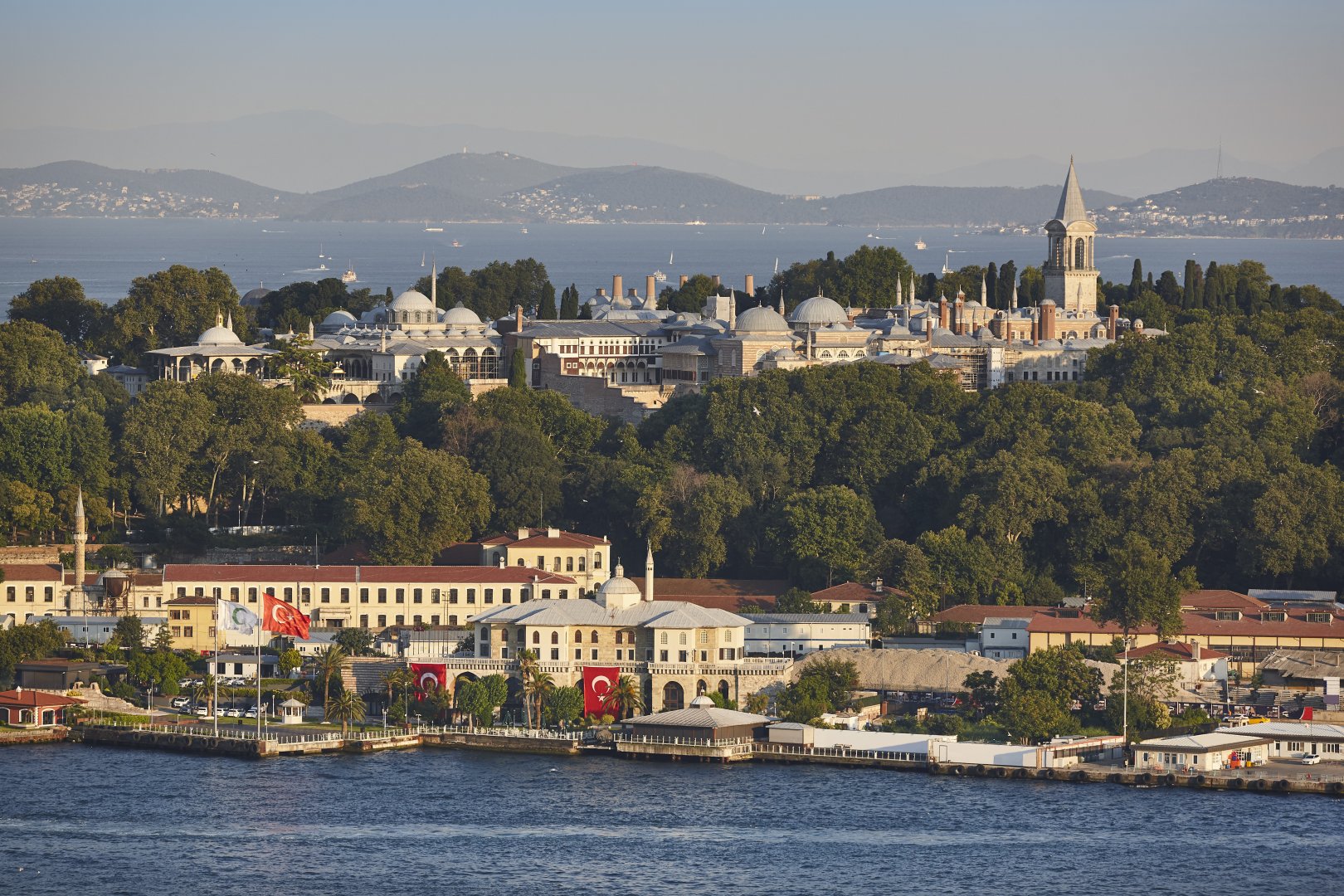
Rising in the heart of Istanbul with commanding views of the Bosphorus and the Golden Horn, Topkapi Palace is a unique historical site that served as the administrative center and residence of Ottoman sultans for nearly 400 years. Built in the 15th century by Sultan Mehmed the Conqueror, the palace reflects every detail of Ottoman culture, art, and state tradition, functioning as both the center of governance and daily life.
With its grand courtyards, elegant pavilions, sacred relics, and priceless treasure collections, Topkapi Palace offers visitors a journey through time. The Harem reveals the private life of the sultan and the intricacies of Ottoman palace culture, while the museum sections allow guests to explore Ottoman weapons, garments, miniatures, and religious artifacts, uncovering both cultural and spiritual heritage. The sacred relics section, in particular, brings together important objects from Islamic history, holding significant religious value.
Topkapi Palace is a must-see destination in Istanbul for history and culture enthusiasts, as well as art and photography lovers. It offers a unique perspective for visitors wishing to experience the grandeur, religious richness, and cultural sophistication of the Ottoman way of life.
Sultan Ahmed Mosque: Istanbul’s Blue Gem
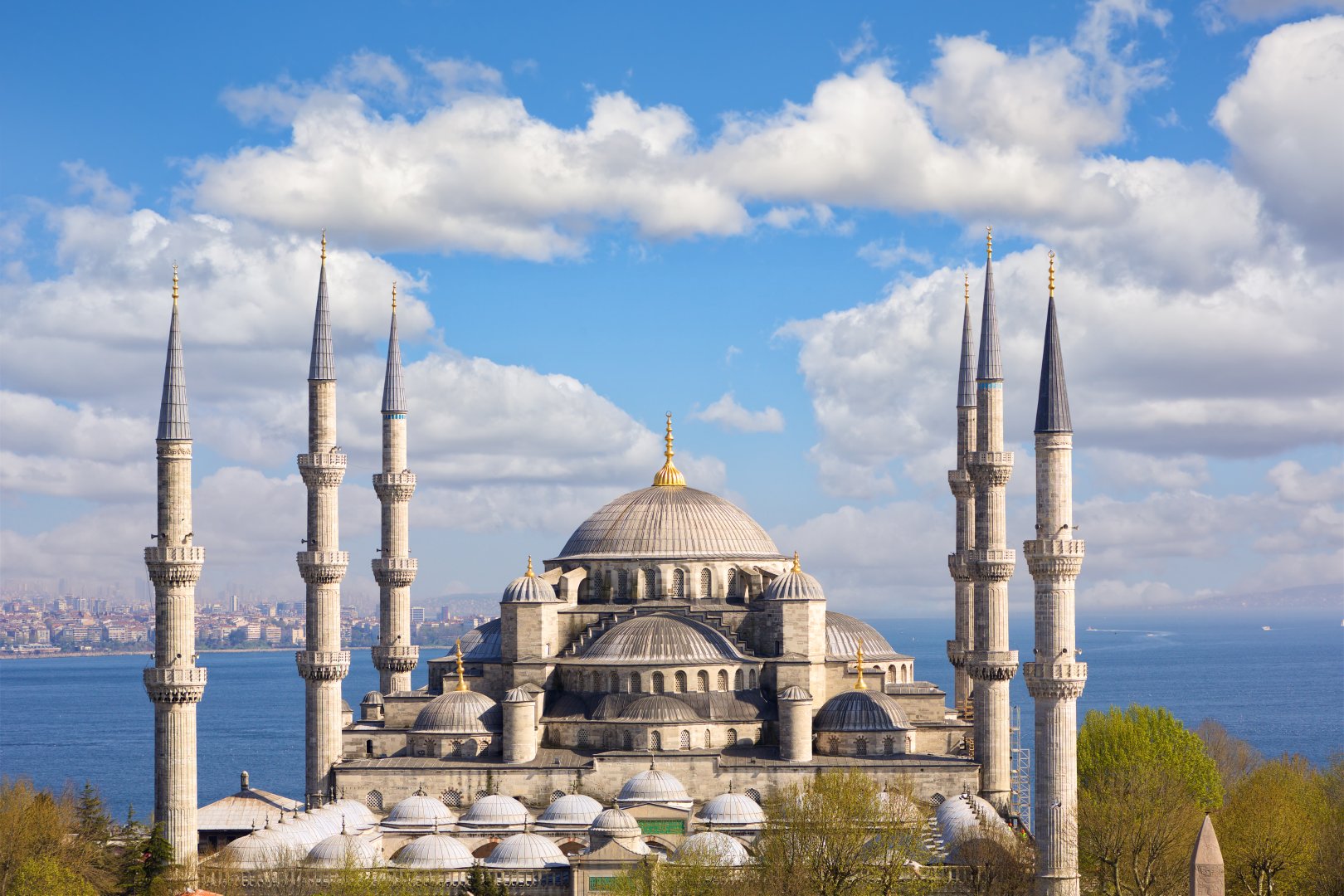
One of Istanbul’s most iconic landmarks, Sultan Ahmed Mosque—commonly known as the Blue Mosque—captivates visitors with its architecture and history. Built between 1609 and 1616 by the order of Ottoman Sultan Ahmed I, the mosque is considered one of the finest examples of classical Ottoman architecture. The blue-toned tiles and delicate decorations inside the mosque create both visual depth and a spiritual atmosphere.
Religiously, Sultan Ahmed Mosque remains an active place of worship, hosting daily prayers for Muslims. At the same time, it stands as a cultural heritage site, showcasing the intricacies of Islamic art and Ottoman architectural mastery. With its six minarets and expansive courtyard, the mosque dominates the city skyline while offering visitors a serene and contemplative space. For history and culture enthusiasts, its detailed stonework, motifs, and inscriptions provide a unique insight into Ottoman artistic sensibilities.
As both a religious center and a cultural symbol, Sultan Ahmed Mosque is a must-visit destination in Istanbul. Visitors, both local and international, have the opportunity to experience the historical, aesthetic, and spiritual depth of this remarkable structure.
Basilica Cistern: Istanbul’s Mysterious Underground Heritage
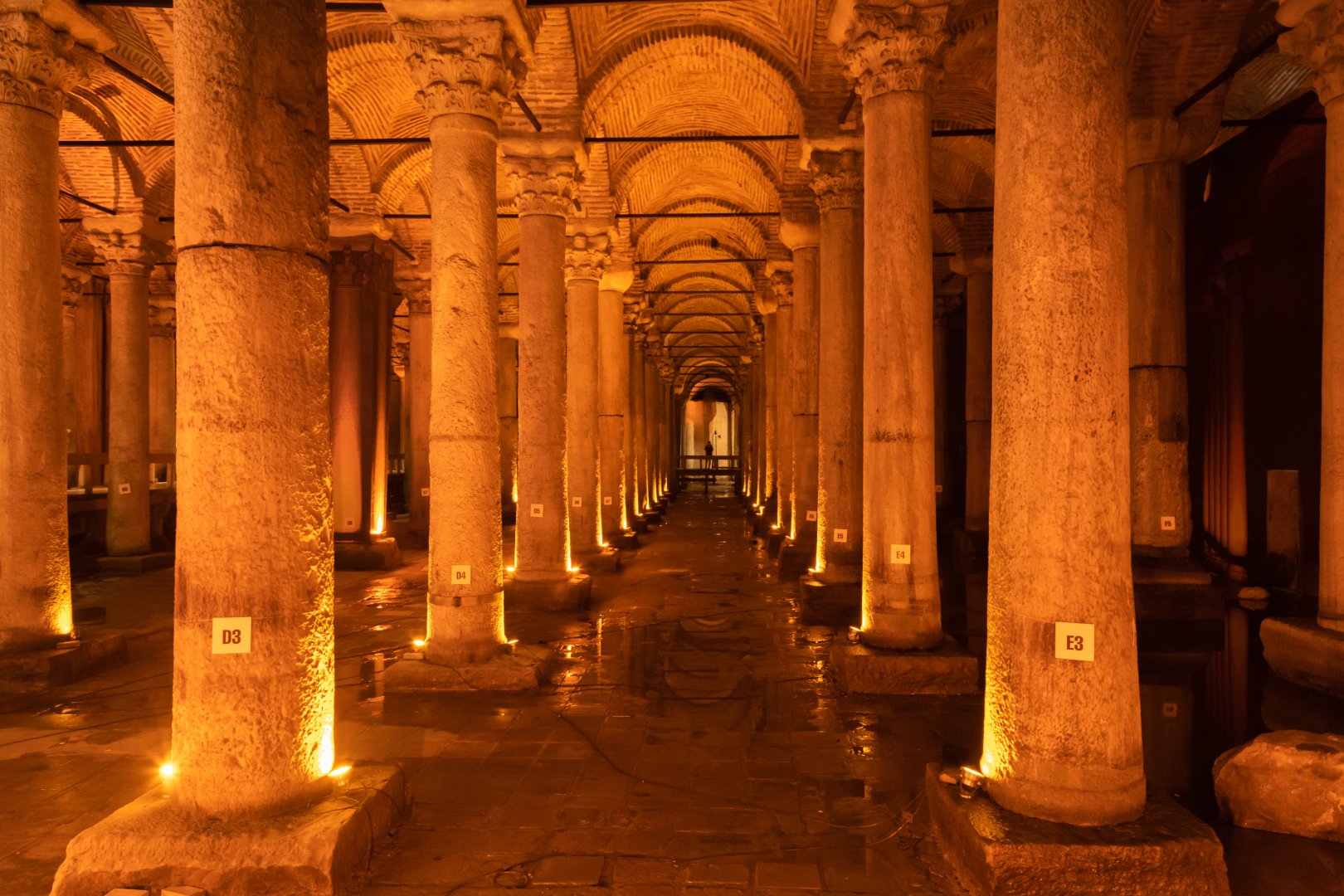
One of Istanbul’s most enchanting and mystical structures, the Basilica Cistern is among the city’s most significant historical and cultural sites. Built in the 6th century by Byzantine Emperor Justinian I, this massive underground water reservoir was designed to meet Istanbul’s water needs and store the city’s water supply. Covering approximately 9,800 square meters and supported by 336 columns, it resembles an underground forest.
From a tourist perspective, the Basilica Cistern fascinates visitors with its mesmerizing atmosphere, dim lighting, and the reflections of the columns on the water. The Medusa-headed columns, in particular, stand out as both artistic and cultural symbols. Historically, the cistern is considered one of the most striking examples of Byzantine engineering and water management. While not a direct place of worship, it played a vital role in city life during the Byzantine and Ottoman periods by supplying water to palaces and mosques.
Culturally, the Basilica Cistern symbolizes Istanbul’s development under the influence of various civilizations and highlights the importance of water in urban life. Visitors can witness history firsthand while experiencing a mystical underground environment. The Basilica Cistern is a must-visit destination in Istanbul for photography enthusiasts as well as history and culture lovers.
Chora Mosque: A Treasure of Art and History from Byzantium to the Ottoman Era
Located in Istanbul’s Edirnekapı district, Chora Mosque is a unique structure that bears the marks of both Byzantine and Ottoman cultures throughout its history. Originally known as the Church of Chora, the building was first constructed in the 4th century and took its present form in the 11th century. During the Byzantine period, Chora housed some of the most magnificent examples of fresco and mosaic art, earning a reputation as the “Meeting Point of Sacred Faith and Art.” In the 16th century, it was converted into a mosque by the Ottomans, gaining both religious and cultural significance.
From a tourist perspective, Chora Mosque captivates visitors with its intricate mosaics and frescoes. Depictions of Christ, the Virgin Mary, and the saints showcase the mastery of Byzantine mosaic art. Historically, the building reflects the sophistication of Byzantine architecture as well as traces of Ottoman-era restorations. Religiously, its function as an active mosque provides an opportunity to experience Islamic art and Ottoman religious architectural traditions.
Culturally, Chora Mosque symbolizes Istanbul’s rich and layered history, revealing the depth of Byzantine art and the transformations the building underwent during the Ottoman period. For art lovers, history enthusiasts, and tourists alike, Chora Mosque offers an unforgettable aesthetic and spiritual experience, making it one of Istanbul’s must-see cultural treasures.
Süleymaniye Mosque: The Pinnacle of Ottoman Architecture and Spirituality
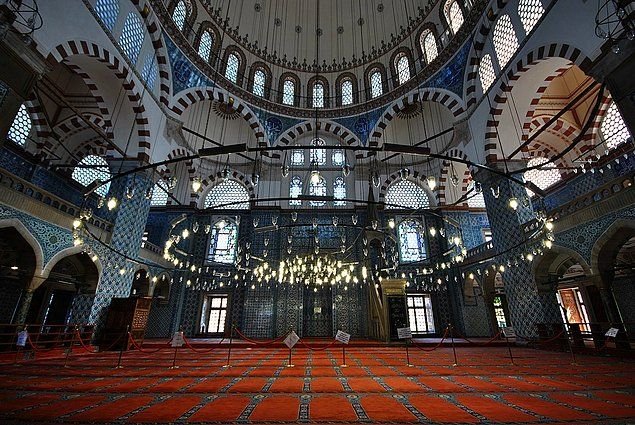
Dominating Istanbul’s skyline with its elegance and grandeur, Süleymaniye Mosque is a masterpiece that captivates visitors both architecturally and historically. Built between 1550 and 1557 by Sultan Süleyman the Magnificent and designed by the renowned architect Mimar Sinan, the mosque stands as one of the finest examples of classical Ottoman architecture, holding great religious and cultural significance.
From a tourist perspective, the mosque offers an unforgettable experience with its magnificent dome, elegant minarets, expansive courtyard, and serene atmosphere. Historically, Süleymaniye Mosque symbolizes the political, cultural, and social power of the Ottoman Empire in the 16th century. Its complex (külliye) includes a madrasa, bathhouse, soup kitchen, and library, reflecting the social life of the period.
Religiously, Süleymaniye Mosque remains an active place of worship, serving as a central site for Muslim prayers and rituals. Culturally, the mosque showcases Istanbul’s layered history, Ottoman artistry, and Mimar Sinan’s architectural genius in one remarkable site. Visitors have the opportunity to experience both spiritual reflection and a journey through history and art. Süleymaniye Mosque is one of Istanbul’s must-see religious and cultural landmarks.
Grand Bazaar: The Heart of Trade and Culture in Istanbul
One of the oldest and largest covered markets in the world, the Grand Bazaar is a vibrant symbol of Istanbul’s long-standing tradition of trade. Built in the 15th century by Sultan Mehmed the Conqueror, the bazaar has continuously served as a center of commercial and social life from the Ottoman era to the present day. With approximately 4,000 shops, labyrinth-like streets, and historic inns, the Grand Bazaar offers visitors a true journey through time.
From a tourist perspective, the Grand Bazaar is one of Istanbul’s most attractive shopping destinations, featuring handmade carpets, jewelry, ceramics, spices, textiles, and traditional souvenirs. Historically, the bazaar reflects the economic structure of Ottoman urban life and the guild-based artisan culture, shedding light on the commercial order of the period through its inns, bedestens, and organized trade system. Religiously, the small mosques within the bazaar and the waqf (charitable endowment) system illustrate the Ottoman understanding of commerce conducted in harmony with moral and spiritual principles.
Culturally, the Grand Bazaar has long been a meeting point for people from different cultures, where traditional craftsmanship has been preserved and Istanbul’s multicultural identity has taken tangible form. Today, offering both shopping and cultural exploration for local and international visitors alike, the Grand Bazaar remains one of the must-see destinations that best reflects the spirit of Istanbul.
Spice Bazaar: Istanbul’s Vibrant Center of Spices and Culture
Located in Eminönü, at the heart of historic Istanbul, the Spice Bazaar is one of the liveliest symbols of the city’s trade and cultural tradition, stretching from the Ottoman period to the present day. Built in 1660, the bazaar gets its name from the taxes on Egyptian goods that helped fund its construction. Established as one of the Ottoman Empire’s most important trade centers, the Spice Bazaar has long served as a bustling marketplace where locals and merchants meet.
From a tourist perspective, the bazaar offers a colorful experience with shops filled with spices, dried fruits, Turkish delight, herbal products, teas, and regional souvenirs. Historically, the Spice Bazaar is a vivid example of Ottoman commercial life and a symbol of Istanbul’s multilayered economic structure. Religiously, mosques and prayer rooms built within the bazaar under the waqf (charitable endowment) system illustrate how commerce was closely intertwined with spiritual and social responsibilities.
Culturally, the Spice Bazaar represents Istanbul’s multicultural identity and showcases traditional crafts and culinary heritage. Today, both local and international visitors can experience the commercial and social fabric of the Ottoman period while enjoying shopping, photography, and the lively atmosphere. The Spice Bazaar remains one of Istanbul’s must-see cultural and tourist destinations.
Fener–Balat: Istanbul’s Multicultural Memory
Located along the shores of the Golden Horn, the neighborhoods of Fener and Balat are among Istanbul’s oldest and most colorful districts. With a deep-rooted history stretching from the Byzantine era to the Ottoman period, these areas preserve a multicultural urban fabric where Greek, Armenian, Jewish, and Muslim communities lived together for centuries. With their narrow streets, historic houses, and distinctive atmosphere, Fener–Balat offers a unique stop for visitors wishing to explore Istanbul’s living history.
From a tourist perspective, Fener–Balat attracts especially photography enthusiasts with its vibrant historic houses, cobblestone streets, cafés, and art studios. Historically, the district brings together traces of Istanbul’s diverse faiths and cultures through landmarks such as Greek Orthodox Patriarchate of Fener, Church of St. George, the Ahrida Synagogue, Bulgarian Sveti Stefan Church (the Iron Church), and historic mosques. These structures highlight the area’s religious and social significance during the Byzantine and Ottoman periods.
Religiously, Fener–Balat is one of the rare districts where sacred sites of Christianity, Judaism, and Islam coexist side by side. Culturally, the neighborhood reflects Istanbul’s multilayered identity through its traditional community life, culture of tolerance, and well-preserved architectural heritage. Revitalized today through restoration projects, Fener–Balat stands out as an authentic and compelling destination that must be seen in Istanbul, appealing to history and culture enthusiasts as well as visitors seeking alternative tourism experiences.
Beyoğlu and Istiklal Avenue: The Heart and Cultural Synthesis of Istanbul
Beyoğlu, one of Istanbul’s liveliest and most cosmopolitan districts, has historically stood out as a center of culture, art, and commerce. İstiklal Avenue, known as Cadde-i Kebir during the Ottoman era, symbolizes Istanbul’s modernization with its European-inspired architecture, historic passages, cafés, and shops. This area serves as a cultural meeting point for both locals and tourists alike.
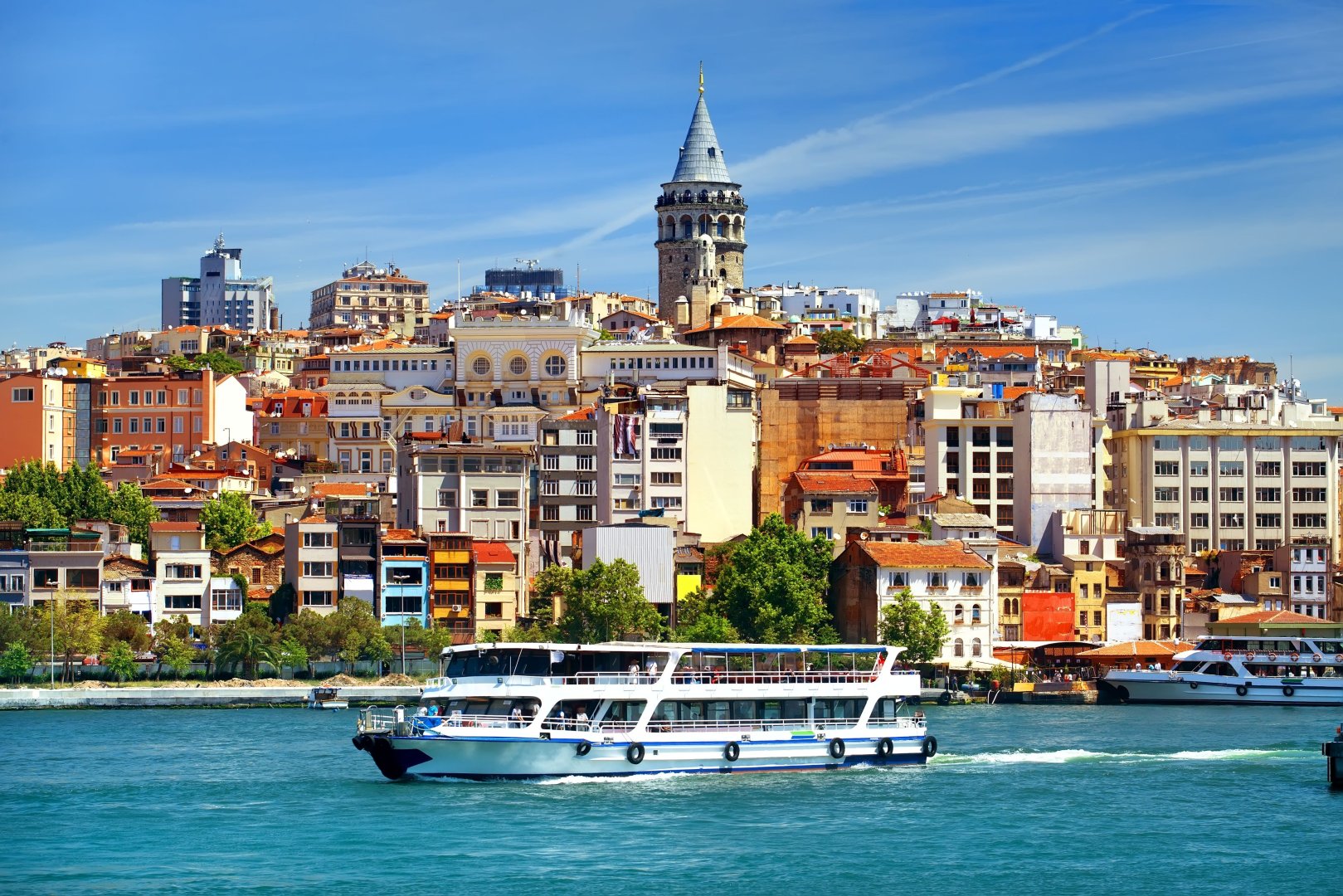
From a tourist perspective, İstiklal Avenue offers a unique experience with landmarks such as Galata Tower, Çiçek Pasajı (Flower Passage), Saint Antoine Church, Neve Shalom Synagogue, and various theaters and music venues. Historically, the district has been the hub of Istanbul’s European-style urbanization and social life since the 19th century. Its tram line, historic buildings, and old mansions preserve the architectural and social fabric of the era.
Religiously, Beyoğlu has a multi-faith heritage where Christianity, Judaism, and Islam coexist; churches, synagogues, and mosques reflect the district’s culture of tolerance over the centuries. Culturally, İstiklal Avenue forms the heart of Istanbul’s contemporary cultural life, with its art galleries, music studios, bookstores, and cafés. Today, Beyoğlu and İstiklal Avenue are a dynamic hub that must be visited by history and culture enthusiasts as well as tourists seeking shopping and entertainment experiences in Istanbul.
Galata Tower: Istanbul’s Timeless Icon
One of the most recognizable structures on Istanbul’s skyline, Galata Tower is an iconic landmark that has borne witness to the city’s history for centuries. Originally built in the 6th century during the Byzantine era for defensive purposes, the tower was rebuilt by the Genoese in 1348, giving it its present appearance. Thanks to its strategic location at one of the highest points of Galata district, the tower has served various functions throughout history, including as a watchtower, a fire observation post, and a lighthouse.
From a tourist perspective, Galata Tower offers one of the most impressive panoramic views in Istanbul. Visitors can enjoy a bird’s-eye view of the Bosphorus, the Golden Horn, and the Historic Peninsula from the observation deck. Historically, the tower reflects Istanbul’s multilayered past by carrying traces of the Byzantine, Genoese, and Ottoman periods. The legendary story of Hezarfen Ahmed Çelebi, who is said to have flown from the tower to Üsküdar during the Ottoman era, has given Galata Tower a special place in local folklore.
Although not directly a place of worship, the surrounding area of Galata Tower—home to mosques, churches, and synagogues—demonstrates the district’s long history of religious diversity. Culturally, the tower is an integral part of Istanbul’s collective memory, enriched by its legends, architecture, and the artistic, cosmopolitan character of Galata–Beyoğlu area. Today, serving as a museum and observation point, Galata Tower remains one of Istanbul’s must-see symbolic landmarks for both local and international visitors.
Bosphorus: The Unique Waterway Connecting Asia and Europe
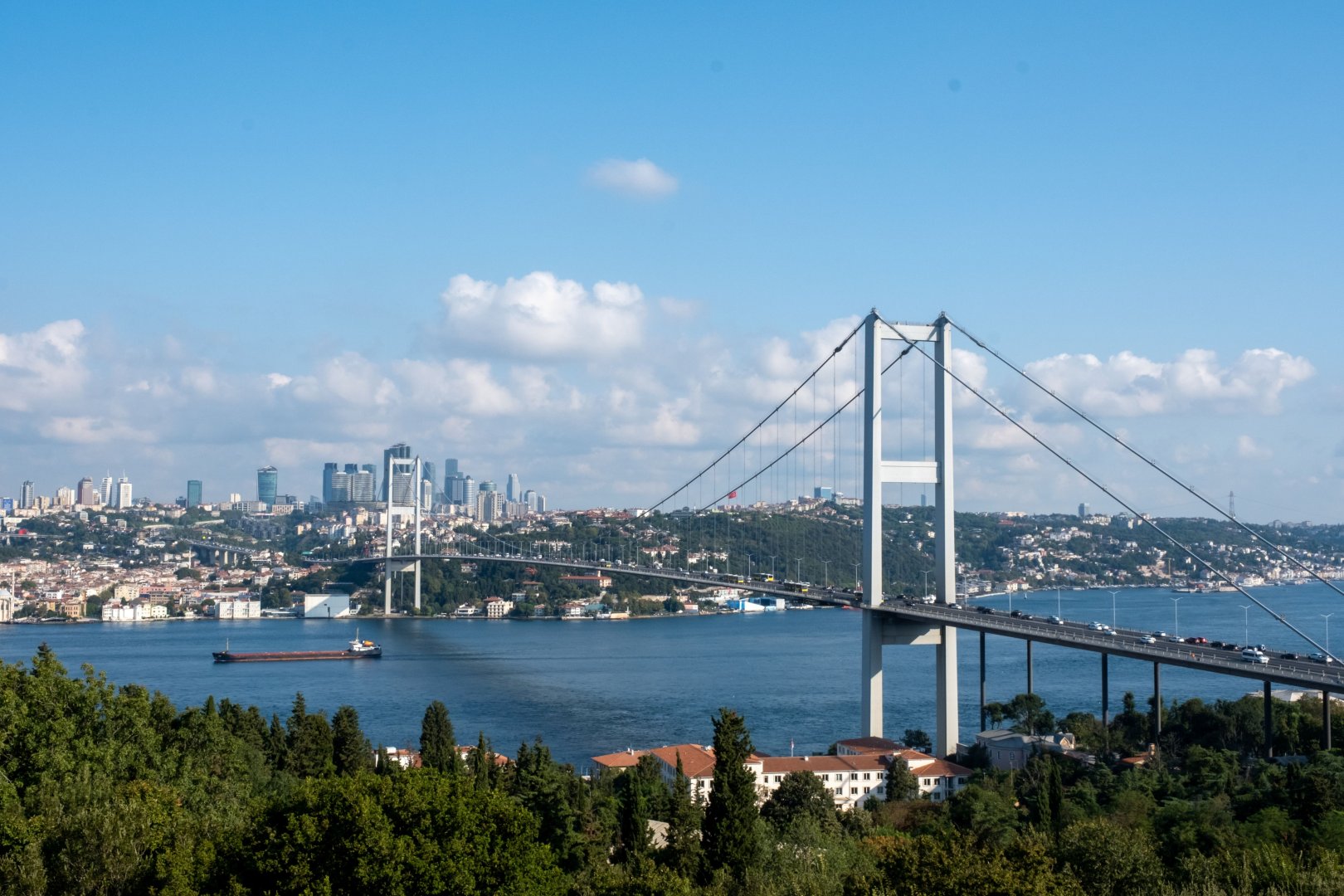
One of Istanbul’s most iconic landmarks, Bosphorus is renowned worldwide for its natural beauty as well as its historical and cultural significance. Connecting Sea of Marmara to Black Sea, this strategic waterway has served as a center for trade, transportation, and defense for empires throughout history. Lined with palaces, waterfront mansions (yalıs), pavilions, and bridges on both Asian and European shores, Bosphorus showcases the city’s panoramic splendor.
From a tourist perspective, Bosphorus offers unparalleled opportunities for boat tours, visits to yalıs and palaces, coastal walks, and photography. Historically, structures along its shores—such as Dolmabahçe Palace, Beylerbeyi Palace, Rumeli Fortress, and Anadolu Fortress—reflect the strategic and cultural importance of the region during Byzantine and Ottoman periods. Religiously, mosques, churches, and monasteries along Bosphorus demonstrate the area’s multi-faith history and Istanbul’s spiritual richness.
Culturally, Bosphorus has shaped the city’s lifestyle, arts, and social structure for centuries. The palaces and waterfront mansions reflect Ottoman aesthetics and elegance, while the natural beauty of the strait has become an integral part of Istanbul’s cultural identity. Today, Bosphorus remains one of the most impressive places in Istanbul for both local and international visitors to experience the city’s history, culture, and natural beauty all at once.
Dolmabahçe Palace: The Ottoman Empire’s Grand Window to the West
Located on the European shore of the Bosphorus along a stunning waterfront, Dolmabahçe Palace is one of the most impressive structures reflecting the Ottoman Empire’s 19th-century modernization and its grandeur of life. Built between 1843 and 1856 by Sultan Abdülmecid, the palace departs from traditional Ottoman palace architecture, blending European influences with Baroque, Rococo, and Neoclassical styles.
Historically, Dolmabahçe Palace served as the administrative center of the Ottoman state in its final years, hosting critical political decisions of the empire. With its magnificent halls, gilded decorations, crystal chandeliers, and the world-famous Muayede Hall, the palace showcases the luxury of Ottoman court life. From a tourist perspective, its elegant architecture, rich interior design, and breathtaking Bosphorus views offer an unforgettable experience.
Religiously, the palace reflects Ottoman spiritual life through its Dolmabahçe Mosque and the significance given to religious rituals within the palace. Culturally, it symbolizes the Ottoman Westernization process and holds a special place in the history of the Republic of Turkey, as Mustafa Kemal Atatürk, the founder of modern Turkey, spent his final days here and passed away on November 10, 1938.
Today open as a museum, Dolmabahçe Palace remains one of Istanbul’s must-see destinations for history, art, and culture enthusiasts, offering a striking witness to the transition from the Ottoman era to the Republic.
Beylerbeyi Palace: The Elegant Summer Residence of the Bosphorus
Situated on the shores of the Bosphorus with a commanding view of the bridge, Beylerbeyi Palace is one of the Ottoman Empire’s refined summer palaces. Built between 1861 and 1865 by Sultan Abdülaziz, the palace was designed both as a summer residence for the sultans and as a place to host important foreign guests. Its Ottoman architecture, influenced by Western styles, combines Baroque and Rococo elements, while its interior decoration emphasizes luxury and aesthetic refinement.
From a tourist perspective, Beylerbeyi Palace offers visitors an unforgettable experience with its elegant courtyards, grand crystal chandeliers, striking interior design, and panoramic views of the Bosphorus. Historically, the palace reflects Sultan Abdülaziz’s modernization policies and the diplomatic life of the late Ottoman period; the European dignitaries and high-ranking guests received here illustrate the empire’s significance in international relations.
Religiously, the palace reflects Ottoman spiritual life through dedicated prayer areas in the sultan’s daily quarters and small mosques within the complex. Culturally, Beylerbeyi Palace stands out as a unique destination for visitors wishing to experience both palace life and Ottoman aesthetics. Today open as a museum, it remains a must-see stop for local and international tourists eager to explore the grandeur of the Ottoman presence along the Bosphorus.
Maiden’s Tower: Istanbul’s Legendary Icon
Situated at the entrance of the Bosphorus near Salacak, the Maiden’s Tower is one of Istanbul’s most iconic and romantic landmarks. Its history dates back to the 4th century BCE, and it served as a lighthouse during the Byzantine period and took on strategic and defensive roles during the Ottoman era. Over time, the tower has inspired numerous legends, combining Istanbul’s rich historical fabric with the stunning vistas of the Bosphorus.
From a tourist perspective, the Maiden’s Tower offers panoramic views of the Bosphorus. Its on-site restaurants and cafés are popular for both dining and photography experiences. Historically, the tower reflects its significance from the Byzantine to Ottoman periods, highlighting its strategic importance and role in the city’s defense. While not a place of worship, the nearby mosques and monasteries underscore the city’s multi-faith history.
Culturally, the Maiden’s Tower is an integral part of Istanbul’s collective memory, appearing in legends, folk stories, and works of art. Visitors have the opportunity to explore both history and culture while enjoying the natural beauty of the Bosphorus. The Maiden’s Tower is a must-visit landmark for those seeking both the tourist highlights and the cultural depth of Istanbul.
Kuzguncuk: Istanbul’s Colorful Bosphorus Neighborhood
Located on the Asian side of Istanbul, Kuzguncuk, one of the warmest and most welcoming stops along the Bosphorus, invites its visitors as if through a doorway opening onto the past. With its narrow streets, colorful bay-windowed houses, and an atmosphere that still keeps neighborhood culture alive, Kuzguncuk feels like a peaceful refuge amid the hustle and bustle of the big city. The name of the district dates back to the Byzantine era, and for centuries it has been one of the rare neighborhoods in Istanbul where different cultures have lived side by side.
Kuzguncuk’s historical fabric stands out for its multicultural character. The presence of a mosque, a church, and a synagogue on the same street is one of the clearest symbols of the area’s long-standing tradition of tolerance and coexistence. Surp Krikor Lusavoriç Armenian Church, Ayios Panteleimon Greek Orthodox Church, and Bet Yaakov Synagogue are among the most significant structures representing Kuzguncuk’s interfaith harmony. These buildings reveal not only the architectural but also the cultural richness of the neighborhood.
From a tourist perspective, Kuzguncuk is full of small yet captivating details for those who love to explore. Walking along streets lined with historic wooden houses, buying a freshly baked simit from the local bakery, or heading down to the waterfront to enjoy a cup of tea with a Bosphorus view are all part of everyday life here. In recent years, art studios, small galleries, and boutique cafés have added a modern touch to the area while successfully preserving its soul.
Its cultural life is remarkably vibrant and authentic. Leaving its mark through actors, writers, and artists, Kuzguncuk has also gained a prominent place in popular culture by hosting many TV series and films. With its community gardens, strong neighborhood solidarity, and warm human connections, Kuzguncuk continues to enchant visitors as a special part of Istanbul—where time seems to slow down and the past and present gently intertwine.
Bebek: The Pearl of the Bosphorus
Bebek, shining like a pearl along the Bosphorus coast of Istanbul, is one of the city’s most elegant and enjoyable neighborhoods. With its historic waterfront mansions, lush green shoreline, and deep blue sea, Bebek is a special spot where both locals and visitors come to breathe and unwind. With a history stretching from the Ottoman era to the present day, the neighborhood takes its name from “Bebek Çelebi,” who was responsible for the security of the area during the reign of Sultan Mehmed the Conqueror, and it is still possible to feel this historical texture while walking through its streets.
One of the first things that comes to mind when Bebek is mentioned is the pleasant walks taken against the Bosphorus view. The parks lining the coast are ideal for morning runs and peaceful strolls at sunset. Bebek Park, considered the heart of the neighborhood, is perfect for a short break with its seaside benches and airy atmosphere. In addition, the Bebek Mosque and the surrounding historical buildings complete the area’s cultural richness.
With its cafés, restaurants, and boutique venues, Bebek also holds an important place in Istanbul’s social life. The wide range of culinary options, from seafood to international cuisine, offers an unforgettable dining experience overlooking the Bosphorus. Especially lively on weekends, the neighborhood—with its chic yet warm atmosphere—is a must-visit destination for those who want to get to know Istanbul. Bebek is truly a living postcard for anyone who wishes to feel the spirit of the Bosphorus and see the elegant face of Istanbul.
One of the key factors enhancing Bebek’s appeal is its socio-economic structure. The neighborhood is known as one of the areas with the highest living standards in Istanbul. Favored by academics, businesspeople, artists, and many well-known figures from the media world, Bebek also hosts a young and intellectual population thanks to its proximity to Boğaziçi University. This blend gives the area both an elite and a dynamic character.
Bebek’s nightlife is best described as “stylish and calm.” Rather than loud nightclubs, the neighborhood is known for its bars, lounges, and high-quality restaurants where people can enjoy conversation against the backdrop of the Bosphorus. In the evenings, venues along the waterfront fill up as the reflections of lights shimmer on the water, creating an ideal setting for gatherings and pleasant moments. Although the energy increases during the summer months, Bebek’s nightlife always remains measured, refined, and pleasure-oriented. In this sense, the neighborhood continues to be a favorite for those seeking a more elegant and balanced entertainment experience without disconnecting from Istanbul’s vibrant pace.